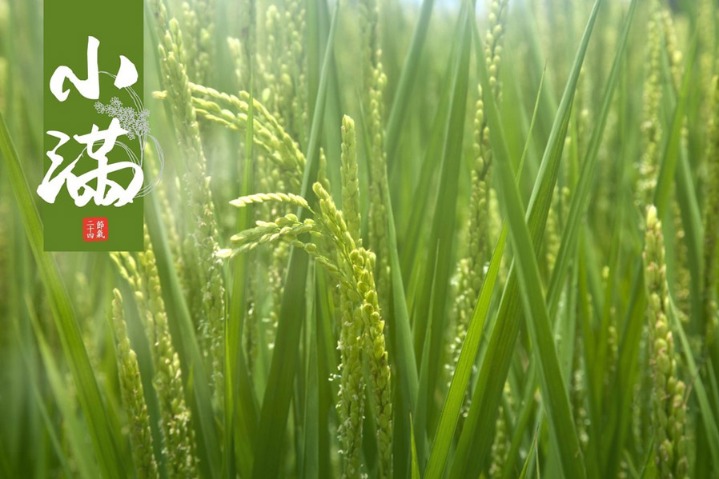
Grain Buds
Overview
Grain Buds, is the 8th of the 24 solar terms that divide the year based on the sun's position. This solar term reflects a period when the seeds of grain begin to fill but have not yet ripened. The name "Grain Buds" itself suggests the early stage of fruitfulness, implying a time of anticipation and growth.
Cultural Significance and Traditions
The concept of the 24 solar terms dates back thousands of years and was initially devised to guide agricultural production across China. Even in modern times, these terms remain significant, offering guidance not only in farming but also in various lifestyle aspects such as diet, cultural rituals, health tips, and gardening practices. The 24 solar terms were recognized as part of UNESCO's Representative List of the Intangible Cultural Heritage of Humanity in 2016, underscoring its enduring cultural value.
In China, the Grain Buds period is marked by increased rainfall and rising temperatures, conditions that significantly affect both agriculture and the surrounding environment. It is during this time that rivers swell, making it a prosperous season for fishermen who harvest fish and shrimp. Moreover, the period is also known for the ripening of mulberries, an important seasonal fruit, as highlighted in local proverbs.
Silkworm Cultivation and Cultural Practices
In regions south of the Yangtze River, silkworm rearing is an age-old tradition practiced during the Grain Buds period. This time marks the cocooning of silkworms, and people begin the process of cooking cocoons and preparing spinning wheels for silk production. In provinces like Jiangsu and Zhejiang, this period is also celebrated as the birthday of the silkworm deity, a figure revered by those in the silk industry. Ceremonial offerings and performances are held to honor the deity, pray for good fortune, and ensure a prosperous silk season.
Culinary Traditions
The Grain Buds period offers a bounty of seasonal foods. Fish and shrimp, thriving in the full rivers, become particularly delicious and are a staple during this time.
Another notable dietary tradition is the consumption of the herb common sow thistle. This early edible potherb, with its slightly bitter and tart flavor, is valued for its purported health benefits, such as cooling the blood and detoxifying the body. In regions like Ningxia, the herb is often prepared with salt, vinegar, peppers, or garlic to create refreshing dishes. Some even prepare it as a soup by boiling the herb and extracting its juice.
Health Practices
With the increase in temperature and humidity during the Grain Buds period, certain health conditions such as nettle rash, rheumatism, eczema, and other skin diseases may become more prevalent. Therefore, it is advisable to maintain an active lifestyle with exercises like walking, jogging, and practicing tai chi to stay healthy and manage the body's response to the seasonal changes. Article reference1. 24 Solar Terms: 6 things you may not know about Grain Buds. chinadaily.com.cn. 20242. A grain of truth. chinadaily.com.cn. 20223. Seasons ripe for change. chinadaily.com.cn. 20224. Terms of endearment. chinadaily.com.cn. 2020Photo Gallery(4 pictures)CategoriesLifestyleTag24 Solar TermsRelated24 Solar TermsCatalogue1. Overview2. Cultural Significance and Traditions3. Health Practices- - - []








